




Canvas fabric is a strong, durable, and heavy-duty woven fabric made from 100% cotton, linen, or synthetic fibers such as polyester. It is a plain-woven fabric that has a tight, strong weave, which makes it perfect for heavy-duty applications requiring strength and durability. Canvas fabric is commonly used for bags, tents, awnings, outdoor furniture, upholstery, and so on. It can also be treated with water-resistant and fire-retardant coatings for specialized applications. Canvas fabric comes in a range of weights, including lightweight canvas and heavyweight canvas, depending on the intended use.
Advantages of Canvas Fabric
Excellent durability
The most notable feature of canvas fabric is its durability. Yes! Canvas is a highly durable fabric. However, its durability can vary based on the manufacturing materials or types of fabric. But overall, this fabric offers excellent durability.
Water-resistant feature
Since raw canvas is not particularly waterproof, when the production process is complete, it is frequently strengthened with a waterproofing technique. For this reason, a lot of outdoor items employ canvas fabric.
Breathability
Compared to canvas manufactured with PVC and synthetic materials, canvas produced from natural fibers such as cotton is more breathable. The fabric feels breathable because of linen and cotton fibers' easy water absorption and rapid drying times.
Color retention
One of canvas fabric's fantastic features is its excellent color retention capability. Even under the worst climatic circumstances, the dyes on this fabric always remain vibrant. This feature makes canvas fabric suitable for painting.
Enhance natural properties
The ability to simply include extra chemical qualities to increase its natural properties is among canvas fabric's most essential features. Compared to many other materials, canvas may last for decades with proper handling.
Easy to clean
Canvas fabric is easy to clean and maintain. It can be washed using soap and water or a mild detergent, and it dries quickly. The material is also resistant to stains and dirt, making it an ideal choice for use in outdoor furniture where dirt build-up can be an issue.


Whether you're looking for a basic canvas fabric or a customized design, we offer both OEM and ODM services to meet your needs.
Why Choose Us
High quality products
We always put customer needs and expectations in the first place, refine on, continuous improvement, to seek every opportunity to do better, to provide customers with their expectations of quality products, to provide customers with the most satisfactory service at anytime.
Competitive Prices
We offer our products at competitive prices, making them affordable for our customers. We believe that high-quality products should not come at a premium, and we strive to make our products accessible to all.
One stop solution
From the begining inquiry and throughout the entire process until you receive the goods. we are dedicated to supporting you every step of the way.
Professional team
We have a team of skilled and experienced professionals who are well-versed in the latest technology and industry standards. Our team is dedicated to ensuring that our customers get the best service and support possible.
Plain weave for canvas is a tight weave, which makes the fabric stiff, strong, and resistant to water. The texture of coarser canvas fabrics with thicker threads is rough, but as the thread count increases, the surface of canvas fabrics gets smoother.
Even though it is strong, the canvas is a light fabric. It comes in different weights, but based on its strength, it is considered a soft fabric. This means that you can easily use big pieces of canvas. For instance, it is a great material for making sails for ships. Large boats need big pieces of fabric that won't make the boat heavier.
Especially if it is made of cotton or linen, the canvas can lose its stiffness over time. Over time, natural fibers will get softer from being washed and worn. You can stop this from happening by using starches or other treatments, but sometimes the gradual softening is a good thing, not a bad thing.
Canvas is mostly a neutral color. It is easy to dye, but it is only treated for a few things other than clothes. Most canvas fabric is naturally an off-white or ecru color. For clothes, though, they can come in a lot of different colors and patterns.
What Types of Canvas Fabric Are There
Cotton canvas
Cotton canvas is more widely used than any other type of canvas because it is much more affordable and can be varied to meet consumer demand. Compared to hemp and linen, it is much fluffier, stretcher, and smoother. Different horizontal ribs that run parallel to one another are woven into the cotton canvas. One side has a diagonal texture, while the other is smoother.
Blended canvas
This is one of the popular types of canvas fabric in the textile industry. This type of canvas fabric has both polyester and cotton canvas advantages. It has an organic feel and exceptional tenacity. Blended canvas is best for painting as well as inkjet printing of photographs and artwork.
Duck canvas
The thickest quality of the cotton canvas is called duck canvas. Usually, it is created with double as much fiber running in one manner as the other. Numbers from 1 to 12 are used to grade it; the greater the proportion, the lighter the grading. Windbreakers and heavy-duty workwear both employ this kind of canvas fabric.
Synthetic canvas
It is possible to use synthetic fibers or mixes to make the canvas. You may keep the inherent qualities while adding durability and resilience by combining them with natural fibers.
Hemp canvas
Canvas made from hemp is the most robust material available to textile makers. Hemp is rigid and wear-resistant like linen, yet it also has a soft hand like cotton. Currently, legal limitations prevent hemp from being used to make the canvas.
Embroidery Canvas
Aida cloth is a type of fabric that is used as a canvas for embroidery. More warp threads than weft threads make small boxes in the weave of Aida cloth. There are different "counts" of this canvas, meaning how many packs per inch of fabric. The weave gets tighter as the count goes up. Aida is intended to be stiff so that the stitches in the embroidery will be even.
Canvas Fabric Applications
The first and foremost use of canvas fabric is as a painting material. The majority of canvas manufactured now is used as painting equipment. Canvas fabric also has enough popularity in the outdoor gear industry. Yes! Different outdoor gear is manufactured with this fabric.
Canvas bags are the only significant use of canvas in modern fashion. Canvas exteriors are found on some of the most desired bags and rucksacks in the world. Converse's original high-top sneakers are one of the most well-known examples of canvas footwear used by manufacturers in the casual clothing industry.
Water-resistant waxed canvas cloth is used in many fields, like manufacturing and the military, to cover anything from boats to entrances. Waxed canvas fabric is frequently used to make jackets and outdoor clothing. It is excellent for camping as well as sailing gear due to its toughness and water resistance.
What Is Canvas Made of
Early canvas was made from hemp. Researchers believe that the word ‘‘canvas'' originates from the Greek word cannabis, meaning ‘‘made from hemp.'' However, after the rise of the cotton industry in India in the 1500s B.C., more cotton canvas entered the market.
Modern canvas is rarely made with hemp. Now, the majority of canvas is cotton. Depending on the utility, some canvases have other fibers included, like PVC, to add strength or weatherproof the fabric. Linen is still commonly used for art canvas, as the texture is good for paints.
Because there are multiple types of cotton and the size of a strand of cotton yarn is easily adjustable, cotton makes sense for canvas. By changing the type of cotton yarn used in the weave, manufacturers can adjust the canvas fabric for various purposes.
The cotton industry is also a robust, thriving industry, so the raw materials are readily available worldwide. Cotton isn't just durable. It's also incredibly soft in higher thread counts, like duck canvas, making it the perfect fiber for canvas' many uses.
What Is Canvas Fabric Used For
Canvas is used in a wide variety of industries. It's a common fabric in many people's everyday lives. There aren't many canvas garments, however. Most garments made of canvas are outerwear or work coveralls rather than fashion pieces.
However, canvas fabric is a very popular choice for shoes. Tennis shoes, such as Converse, are frequently made in various colored and patterned canvas. It's also used in sandals and slip-on shoes. The gradual softening of canvas means these shoes tend to conform to the wearer's foot, making them very comfortable.
Totes and bags are another major use for canvas fabric. Manufacturers use canvas fabric for everything from reusable grocery totes to sandbags. The weight to strength ratio of canvas makes it perfect for carrying heavy or bulky items without adding to the weight.
Another widespread use of canvas is in fine art. The Italian Renaissance saw the rise of canvas instead of wood panels for paintings. It was more durable and easier to paint on in the humid climate than wood. Canvas is now the most widespread support medium for painting in the world.
Tents and other semi-permanent structures are another great use for canvas fabric. Modern tent canvas tends to include PVC or weatherproof coatings to increase the strength and water-repelling qualities of the fabric. The tight weave means that even when stretched over tent poles, the canvas is still strong.
Similar to tent canvas is the canvas used for outdoor furniture like camp beds or cots. Camping gear uses canvas frequently because it is easy to pack in and out of campgrounds, doesn't take up much space, and is durable in the outdoors.

Tips for Sewing with Canvas Fabric
When you’re sewing with canvas, it is important to know what the fiber content is and what the weight of the fabric is. For heavier canvas fabrics, especially waxed canvas or PVC-enforced canvas, you will need a much stronger needle than a light cotton duck canvas.
Denim needles and a slight amount of pressure on your pressure foot will help you sew canvas easily with a machine. Whether you are sewing by hand or machine, using a heavy-duty thread like a polyester or poly/cotton blend thread will set you up for success.
Thinner threads can snap too easily as they cannot take as much pressure as the fabric can. Since canvas is heavier than many garment fabrics, treating it the same way as denim will give you the best results.
For machine sewing, you should also keep a careful eye on thread tension. The thicker fabric combined with, the heavier thread may be hard on your bobbin. Longer stitches and looser tension can help avoid bobbin issues and broken threads.
Go slowly in thicker areas and curved seams. It may be difficult to pin these seams with standard sewing pins, so you can try clips or tape instead to help make it easier. Clips are less likely to slide out when you’ve got a bulk of fabric in your machine.
How to Care for Canvas Fabric
How you care for canvas fabric depends on whether or not it has any treatments. Waxed canvas, for example, cannot go in the washer or dryer without risking melting the wax. Make sure to check any garment tags or care labels before washing canvas.
For non-treated canvas, use a warm-water gentle cycle in the washing machine with mild detergent. Tumble dry on low heat to avoid shrinkage, or air-dry it to avoid shrinking entirely. Cotton and linen can both withstand fairly high heat but are prone to shrinkage.
Most treated canvas fabric cannot be machine dried and shouldn’t be machine-washed. Waxed canvas or water-proofed canvas is usually resistant to staining. Any dirt or debris should slide off easily. If it doesn’t come off on its own, you can wipe the canvas down with a damp cloth.
Canvas garments will soften faster the more you launder them. If you want to avoid losing stiffness, you can iron and starch your canvas items after washing them. This will help them keep their original sturdiness.

What Are the Properties of Canvas Fabric
As simple as it is, the plain weave for canvas is a tight weave, making the fabric stiff, strong, and water-resistant. Coarser canvas fabrics with thicker threads have a rough texture, but canvas fabrics with a higher thread count get progressively smoother.
Despite its sturdiness, canvas is a lightweight fabric. It has a range of weights, but proportional to its strength, it’s considered a light fabric. This means you can use very large pieces of canvas easily. For example, it makes excellent fabric for sails for ships. The huge pieces of fabric you need for large vessels won’t weigh the boat down.
Canvas fabric can lose its stiffness over time, particularly when it is made with cotton or linen. Repeated washing and general wear-and-tear will soften natural fibers over time. It’s possible to delay this effect with starches or other treatments, but for some uses, the gradual softening is a benefit, not a drawback.
Generally, canvas is a neutral color. It can be dyed easily, but for many uses outside of garments, it is not treated at all. The natural color of most canvas fabric is an off-white or ecru color. For garment uses, however, it can come in a wide variety of colors and prints.
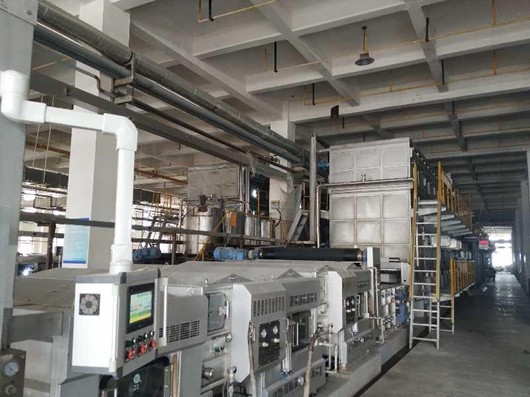
Our Factory
The factory covers an area of 100,000 square meters and has more than 800 employees. The international Dept. is located in Jiaxing, a city with more than one thousand years history of textile trading and production. We integrate printing and dyeing processing, strong technical force, reliable product quality and advanced technology. The production process has a one-stop production capacity of dyeing-finishing-deep processing. It mainly produces all kinds of cotton canvas, cotton gauze, cotton poplin, cotton elastic series, polyester cotton, nylon cotton, polyester cotton, mirofiber, chemical fiber and rayon fabric series.




FAQ
As one of the most professional canvas fabric manufacturers and suppliers in China, we're featured by quality products and good service. Please rest assured to wholesale custom made canvas fabric at competitive price from our factory.