




Velvet is a type of woven fabric that has a soft and smooth pile. The pile is created by the threads being cut or formed into loops that are then sheared to form the plush surface. Velvet can be made from a variety of fibers, including silk, cotton, polyester, and rayon. It is often used for clothing, upholstery, and decorating, as it has a luxurious and elegant look and feel. Velvet is also known for its rich colors and ability to reflect light in a unique way, making it a popular choice for formal occasions and high-end fashion.
Advantages of Velvet Fabric
Soft and comfortable
Velvet fabric is known for its softness and comfort. This is because the fabric has a pile, which means that the fibers are raised above the base fabric. The raised fibers make it feel plush and velvety to the touch, making it perfect for use in comfortable clothing and furnishings.
Rich appearance
Velvet fabric has a luxurious appearance that can make any item look expensive and sophisticated. Velvet is often used in high-end fashion and home décor because it has a sheen that other fabrics lack. The sheen comes from the way the fibers reflect light, and it gives velvet a unique look that is difficult to replicate.
Durable
Despite its soft and delicate appearance, velvet fabric is actually quite durable. The pile of the fabric helps to protect the fibers from wear and tear, making it a good choice for furniture upholstery and heavy use clothing like coats and jackets.
Insulating
Velvet is a good insulator, making it perfect for use in cold weather clothing and furnishings. The fibers trap air between them, providing a layer of insulation that helps to keep the wearer warm.
Color variety
Velvet comes in a wide variety of colors, making it easy to find the perfect shade for any project or look. It is also easy to dye, meaning that you can create custom colors to suit your needs.
Easy to clean
Velvet fabric is surprisingly easy to clean. Most velvet items can be washed in the washing machine, although it is important to follow the care instructions carefully. Velvet is also relatively stain-resistant, making it a good choice for households with children or pets.

As a manufacturer of organic cotton sateen fabric, we take pride in producing high-quality materials that are soft to the touch and available in a wide range of colors.
Why Choose Us
High quality products
We always put customer needs and expectations in the first place, refine on, continuous improvement, to seek every opportunity to do better, to provide customers with their expectations of quality products, to provide customers with the most satisfactory service at anytime.
Competitive Prices
We offer our products at competitive prices, making them affordable for our customers. We believe that high-quality products should not come at a premium, and we strive to make our products accessible to all.
One stop solution
From the begining inquiry and throughout the entire process until you receive the goods. we are dedicated to supporting you every step of the way.
Professional team
We have a team of skilled and experienced professionals who are well-versed in the latest technology and industry standards. Our team is dedicated to ensuring that our customers get the best service and support possible.
Velvet sofas come in a wide range of styles. From small sofas for two, to large corner sofas for the whole family. With many options available, you should be able to find the piece that works perfectly with your interior.
Putting a bit of thought into styling your sofa will help your furnishing to look fantastic – after all, even the most luxurious materials need a little creative touch to look their very best.
Velvet brings a naturally rich tone to the color of its upholstery, making velvet armchairs and sofas ideal for those who want to add a bright and bold feature to their interior. If you want to give your home a mid-century modern feel, opt for a beautiful antique gold armchair. Perfect for your reading nook, and a great way to add extra seating to your living space, this stylish chair will bring a touch of luxury to your living room.
Another great style idea for velvet furnishings is to opt for an oversized corner or ‘U’ shaped sofa. Creating a large, sumptuous seating area will help to make your living space more welcoming and ensure there’s plenty of room for friends and family to relax and stretch out.
Use cushions in contrasting tones to add ‘pops’ of color to your sofa. Matching a teal sofa with gold cushions can look fantastic, especially if the blue and yellow shades are picked up in other soft furnishings in the space. Throws can also be used to add extra detail and softness to your space.
As velvet reflects the light beautifully, placing lamps and standing lights close to your velvet armchair or sofa is a great way to make the most of the furnishing. As well as bringing out the rich tones of the velvet, this will create warm pools of light in your living space and help it to look fantastic day and night.
What Are The Most Popular Types of Velvet
Velvet
Velvet is one of the most expensive textiles ever produced. It gives a moist feel thanks to its soft and luxurious texture. In addition to being pleasant to the touch, velvet drapes very well on furniture. This type of velvet is best suited for garments that are used infrequently and are not exposed to direct sunlight. It also stains easily and is susceptible to the elements.
Velvet made of nylon or rayon
Rayon velvet is a great choice if you want the softness of velvet but are on a tight budget. It's lightweight and easy to wear. Maintenance of this fabric is very simple.
Velvet linen
This type of velvet is best used in hotter areas because it is airy and cool. Linen velvet dyes very well, giving a matte look and producing rich color. Because the linen threads that make up linen velvet vary in thickness, its texture appears in uneven, narrow stripes.
Velvet Mohair
Mohair velvet is made from the hair of Angora goats and is the gold standard for frequently used furniture upholstery. It's very tough and can withstand dirt and crushing. If you prefer a heavy-duty velvet upholstery fabric, mohair velvet is your first choice.
Synthetic velvet
Fading is unusual for synthetic velvet made from high-quality polyester. Unlike real fibers, synthetic velvet has a unique look and feel. Mix synthetic and natural fibers to get the most out of this fabric.
Crushed velvet
This fabric has a pleated appearance. Crushed velvet is obtained by a production method in which cloth is bent and then flattened with great pressure. Embossed velvet refracts light in all directions and has a lovely shine and tactile feel, making it visually appealing. Keep in mind that velvet upholstery is generally stain-resistant. But if there is a spill, wipe it up immediately with a clean damp cloth and mild soap. Avoid placing furniture with velvet upholstery in direct sunlight.

Can you Change the Velvet Color
It is important to know the fiber content of velvet before you dye it. You want a fabric with a high percentage of natural fiber material. It is much easier to dye natural fibers such as silk and cotton. They can be woven into any type of material. It is just the nature and function of natural products. For example, cotton is one of the most absorbent materials, so it can absorb dye like a sponge.
Although synthetic fibers such as nylon can be dyed, it's not an easy task. These synthetic fibers require special dyes that are specifically designed for them. Dyeing fabric with synthetics such as polyester can be problematic.
Polyester is hydrophobic, which means it doesn't absorb moisture. This can cause some problems as dyes are often water-based. It is almost impossible to dye a velvet dress containing polyester, even if it is just thread.
When dyeing velvet, one thing to remember is the fabric texture. Velvet can be dyed as a fabric with a pile. The pile can look different in each style of velvet. You can either crush, emboss, or leave it plain. Each type produces a different pattern. By flattening the pile, you can alter the look of the velvet pattern. You can change the color of the velvet, as well as the feel and look of it.
How Velvet Is Made
Velvet is produced on a unique loom known as a double cloth, which allows for the simultaneous production of two separate pieces of velvet. The pile height of velvet is often less than half a centimeter, which is one of the defining characteristics of the fabric.
Silk was the first material used in the production of velvet, although modern velvet is typically constructed of a combination of natural and synthetic fibers. Because of its prohibitive cost, velvet made of pure silk is a luxury item that is difficult to get nowadays. The vast majority of velvet sold as "silk velvet" is actually a combination of silk and rayon. It's possible to make synthetic velvet out of polyester, nylon, viscose, or even rayon.
The production method for velvet is consistent regardless of the base textile that is used, despite the fact that velvet can be made from a wide variety of different materials. Velvet can only be woven on a specific kind of loom that spins two layers of cloth at once. This is the only way velvet can be made. After that, these distinct layers of fabric are cut apart and placed individually on rolls.
Although velvet is created using vertical yarn and velveteen is created using horizontal yarn, these two types of textiles are created using substantially the same procedures. Velvet is created using vertical yarn and velveteen is created using horizontal yarn. However, velveteen is frequently made by combining regular cotton yarn with velveteen yarn, which lowers the velveteen's overall quality and alters its texture.
Unraveling the cocoons of silkworms and then spinning the resulting threads into yarn is the process that is used to make silk, which is one of the most popular materials for making velvet. The transformation of petrochemicals into filaments is the first step in the production of synthetic fabrics such as rayon. When one of these types of yarn is woven into velvet cloth, the finished product can be colored or treated in a variety of ways, depending on the intended use.

How to Care for and Clean Velvet Fabric
The first step is to blot any spills or stains to clean the velvet fabric. Use a paper towel or clean cloth to blot any excess moisture. Then, use a dry cleaning detergent, blotting the stain until completely removed. Be sure not to rub the stain, which can cause further migration. If you cannot remove the stain yourself, you can contact a dry cleaner to help you.
To remove stains from velvet, you can use specialist cleaning products, such as Woolite, which is safe for cotton and polyester velvet. To avoid disturbing the pile, you must apply the cleaning product to a lint-free cloth.
Repeated blotting will remove the stain. If the stain is too deep, you may be unable to remove it. You can use a hairdryer set on its lowest setting to speed up drying.
Vacuum your velvet furniture regularly to remove lint and dust. Vacuuming is best done with a brush attachment, removing lint and dirt from the fabric. If you have a couch or a chair with velvet upholstery, it is better to use a soft-bristle brush.
A reusable spray bottle of water with rubbing alcohol will also work. Then, dab the fabric with the cleaning solution and let it dry before scrubbing it.
Uses for Velvet Materia
There are numerous uses for velvet material. Thicker velvets are used for upholstery, jackets, and drapery. The thinner and more flexible velvet material is usually used for more delicate clothing and decorative effects.
Velvet can be used for several applications. While the obvious one is to use velvet for the visual appearance, velvet has a unique sound-absorbing quality that it shares with fabrics like chenille and microfiber.
This means that using velvet for heavy drapes can help insulate your room from a noisy outdoor area. The velvet material is then ideal for curtaining bedrooms and studies where you can use this sound dampening to improve your home’s acoustic qualities.
The velvet material is also warm. In colder climate areas, using velvet as furniture upholstery, for drapes or curtains, and as throws on your furniture can help warm up a room.
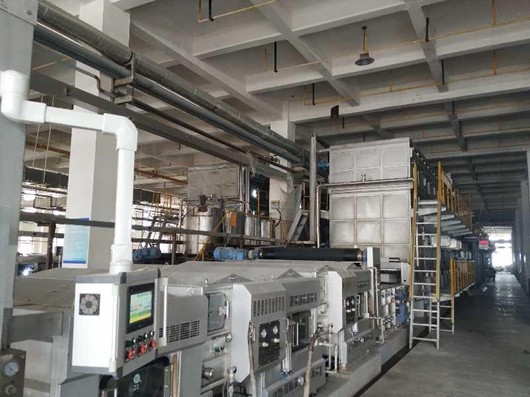
Our Factory
The factory covers an area of 100,000 square meters and has more than 800 employees. The international Dept. is located in Jiaxing, a city with more than one thousand years history of textile trading and production. We integrate printing and dyeing processing, strong technical force, reliable product quality and advanced technology. The production process has a one-stop production capacity of dyeing-finishing-deep processing. It mainly produces all kinds of cotton canvas, cotton gauze, cotton poplin, cotton elastic series, polyester cotton, nylon cotton, polyester cotton, mirofiber, chemical fiber and rayon fabric series.




FAQ
As one of the most professional sateen fabric manufacturers and suppliers in China, we're featured by quality products and good service. Please rest assured to wholesale custom made sateen fabric at competitive price from our factory.