




Taffeta fabric is a lightweight, crisp, and smooth woven fabric made from silk, polyester, or nylon. It has a slight sheen and a rustling sound when moved. Taffeta is often used for formal dresses, ball gowns, wedding dresses, and other formal wear. It can also be used for home decor items such as curtains and decorative pillows. Taffeta is known for its durability and holds its shape well, making it a popular choice for structured garments.
Advantages of Taffeta Fabric
Durability
Taffeta fabric is known for its strength and durability. It is able to withstand wear and tear and maintain its shape over time.
Wrinkle resistance
Taffeta is a wrinkle-resistant fabric, making it easy to care for and maintain. This makes it a great choice for travel and for garments that will be worn frequently.
Sheen
Taffeta has a natural shine, which makes it a popular choice for formal wear and special occasion garments.
Variety of fibres
Taffeta can be made from a variety of fibres, including silk and polyester. Silk taffeta is considered the highest quality, but polyester taffeta is more affordable and still has the same crisp texture and sheen.
Drapes well
Taffeta drapes well, which makes it a great choice for dresses, skirts, and other flowing garments.


As a reputable manufacturer of 100 polyester taffeta fabric, we take pride in providing products of excellent quality and competitive pricing.
Why Choose Us
High quality products
We always put customer needs and expectations in the first place, refine on, continuous improvement, to seek every opportunity to do better, to provide customers with their expectations of quality products, to provide customers with the most satisfactory service at anytime.
Competitive Prices
We offer our products at competitive prices, making them affordable for our customers. We believe that high-quality products should not come at a premium, and we strive to make our products accessible to all.
One stop solution
From the begining inquiry and throughout the entire process until you receive the goods. we are dedicated to supporting you every step of the way.
Professional team
We have a team of skilled and experienced professionals who are well-versed in the latest technology and industry standards. Our team is dedicated to ensuring that our customers get the best service and support possible.
This type of fabric is made with a variety of different techniques depending on the type of material that is used in its production. Silk production, for instance, involves the cultivation and harvesting of silkworm cocoons. This process is highly environmentally sustainable, but it results in the deaths of silkworms.
Once silkworm cocoons are boiled, they are unraveled or "reeled," and the resulting thread is then soaked in a mild, non-toxic solution. Finally, this thread is spun into yarn, and it may be dyed at this point. However, certain types of taffeta fabric are dyed after a bolt of fabric has already been woven.
While some taffeta fabric is made from semi-synthetic substances like cuprammonium rayon, it's much more common to find this product made from polyester. Since polyester is a fully synthetic textile fiber, its production process varies widely from that which is used to make silk.
Polyester is derived from a compound called ethylene, which is a constituent part of petroleum. This ethylene is reacted with dimethyl terephthalate at a high temperature, which produces a monomer alcohol. This monomer is then combined with terephthalic acid to produce the polymer known as polyester.
This molten substance is then extruded through a slot and allowed to cool into long ribbons. These ribbons are then chipped, and they are melted again. Next, this molten polyester is extruded through a spinneret, and the resulting strands of textile fiber are allowed to cool before they are stretched in a process called "drawing." Lastly, the drawn polyester fibers are dyed or subjected to flame retardant or antistatic treatments.
Once raw textile fiber is acquired, taffeta fabric can be formed with either hand weaving or an industrial weaving machine. A special twisting procedure is used to provide the crisp and lightweight qualities of this fabric. Depending on the type of taffeta fabric that is produced, it may be dyed before or after weaving.

How Is Taffeta Fabric Used
Taffeta is considered to be a luxury fabric, and it is relatively prone to damage. Therefore, it isn't commonly used in everyday clothing; on the contrary, it is more common to see this type of fabric used in big-ticket apparel like wedding dresses and evening wear.
Due to its iconic rustling and lightweight heft, this fabric is commonly used in party attire of all kinds. For instance, it is frequently used to make party costumes, and it also may be used to make costumes for stage plays. Due to its softness, piece-dyed taffeta is sometimes used to make linings for jackets and coats.
Beyond apparel, taffeta fabric is also used to make a number of consumer items. For instance, umbrellas are commonly made with this fabric, and taffeta fabric is also used to make certain forms of insulation. In addition, this substance is sometimes used to make handbags and the stuffing in sleeping bags, and during World War II, this fabric was commonly used to make parachutes.
What Is Taffeta Used For
Taffeta is a type of fabric that is made from silk, polyester, or a blend of the two. It is known for its smooth, crisp texture and a slight sheen. Taffeta is a versatile fabric that is used for a variety of garments and household items.
One of the most common uses of taffeta is in the fashion industry. Taffeta is often used to make formal gowns, prom dresses, and bridesmaid dresses. The fabric's smooth texture and slight sheen make it perfect for creating elegant and sophisticated garments. Taffeta can also be used to make evening wear, such as jackets, pants, and skirts.
Another popular use of taffeta is in the home décor industry. Taffeta is commonly used to make curtains, drapes, and upholstery for furniture. The fabric's smooth texture and slight sheen make it perfect for creating a polished and refined look in any room. Taffeta is also often used to make tablecloths and napkins for formal events.
Taffeta is also a popular choice for outdoor gear and equipment. Taffeta is a durable fabric that is resistant to water and wind, making it perfect for outdoor clothing and equipment such as tents, sleeping bags, and backpacks.
In addition to its many practical uses, taffeta is also a popular choice for crafting and DIY projects. Taffeta can be used to make bows, flowers, and other decorative items. It can also be used to make bags, wallets, and other accessories. Read more about: Best Tips for Sewing with Taffeta Fabric
Taffeta is a versatile fabric that is used for a wide variety of garments, household items, and craft projects. Its smooth texture, slight sheen, and durability make it a popular choice for many different applications.

What are Different Types of Taffeta Fabric
Silk taffeta
This is the most traditional and high-end type of taffeta. It is made from 100% silk and has a luxurious feel and drape. It is often used for evening gowns, formal wear, and upholstery.
Polyester taffeta
This type of taffeta is made from a blend of polyester and other synthetic fibres. It is less expensive than silk taffeta and is often used for costumes, linings, and other inexpensive garments.
Cotton taffeta
This type of taffeta is made from a blend of cotton and other natural fibres. It is soft, breathable, and comfortable to wear. It is often used for blouses, dresses, and other casual garments.
Spun polyester taffeta
This type of taffeta is made from 100% Polyester fibres that have been spun. It is often used for making linings, curtains, and other home decor items.
Stiff taffeta
This type of taffeta is made with a stiffer, heavier weave. It is often used for making formal wear and bridal gowns, as well as for home decor projects like tablecloths and napkins.
Crushed taffeta
This type of taffeta has a unique, textured appearance that is achieved by crushing the fabric during the manufacturing process. It is often used for making evening wear and home decor items, such as curtains and pillows.
Is Taffeta Better Than Satin
Taffeta and satin are both types of fabric, but they have different properties and are used for different purposes.
Taffeta is a crisp, smooth, and glossy fabric that is typically made from silk or synthetic fibres. It has a slight texture to the touch and produces a rustling sound when it is moved. Is taffeta scratchy? No! Taffeta is known for its crisp, smooth texture and slight sheen. It is not stretchy, and it is a stiff, non-elastic fabric. Taffeta is often used for formal wear, such as evening gowns, wedding dresses, and formal suits.
Satin, on the other hand, has a smooth, shiny surface and a dull back. It is made from silk, synthetic fibres, or a combination of both. Satin fabric has a luxurious feel and drapes well, making it a popular choice for bridal and evening wear, as well as bedding and home decor.
In terms of durability, taffeta is generally more durable than satin. Taffeta is often used for outdoor clothing, as it is resistant to wrinkling and fading. Satin, on the other hand, is more delicate and is best used for indoor clothing.
Taffeta is a crisp, textured fabric that is often used for formal wear and outdoor clothing, while satin is a smooth, shiny fabric that is used for luxury clothing and home decor.
What Are the Characteristics of Taffeta
Taffeta is a smooth, crisp, and lustrous fabric that is commonly used in formal wear, such as evening gowns and bridal wear. It is made from a variety of fibres, including silk, polyester, and nylon, and has a distinctive rustling sound when it is moved or worn.
One of the main characteristics of taffeta is its smooth, glossy surface, which is created by a process called calendering. This process involves passing the fabric through rollers that press it and give it a glossy finish.
Another characteristic of taffeta is its crispness, which is due to the tight weave of the fabric. The tight weave gives the fabric a stiff and structured feel, making it ideal for use in structured garments such as ball gowns, wedding dresses and evening wear.
Taffeta is also known for its durability and resistance to wrinkles, making it a popular choice for formal wear that is expected to last for many years.
Additionally, taffeta has a high level of resistance to abrasion and can be easily dyed, allowing it to be produced in a wide range of colors and patterns.
Taffeta fabrics can be plain weave or twill weave. The plain weave taffeta fabrics are smoother and lighter in weight as compared to twill weave taffeta fabrics which are heavier and have a slightly rough texture.
Taffeta is a versatile and elegant fabric that is often used in formal wear, including evening gowns, bridal wear, and other special occasion attire. Its smooth, glossy surface, crispness, and durability make it a popular choice for garments that require a touch of elegance and refinement.
Sewing Tips for Taffeta
Use the right sewing machine needle
A needle with a fine point, such as a universal or micro-textile needle, is ideal for taffeta. Do not use blunt needles as they can poke holes in the fabric.
Use the right sewing thread
Use a thin, smooth sewing thread that matches your taffeta fabric. A cotton or polyester sewing thread in a matching color is usually a good choice.
Use a non-slip foot or Teflon foot
Use a special non-slip foot or Teflon foot to minimize slippage of the taffeta on the sewing machine.
Pre-washing the fabric
Before sewing taffeta, the fabric should be washed and dried to avoid deformation after sewing.
Use a higher sewing speed
When sewing taffeta, use a higher sewing speed to achieve an even stitch pattern.
Avoid high temperature ironing
Taffeta should not be ironed at a high temperature as this can damage the fabric. Use a low ironing temperature or place a cloth between the iron and the taffeta fabric to protect it.
Sew slowly and precisely
As taffeta is a stiff fabric, it can be more difficult to sew straight lines. Therefore, sew slowly and precisely to achieve an even stitch pattern.
Do not use pins
Pins can poke holes in the taffeta fabric and damage the shiny surface. Instead, use weights or staples to hold the fabric in place.
Cut the fabric carefully
Taffeta fabrics should be cut with sharp scissors to avoid fraying and uneven edges.
Dryer sheets are a great way to clean taffeta fabric. All you need is a dryer sheet and your taffeta fabric. Add the dryer sheet to the dryer and turn it on. The heat from the dryer will help remove any dirt or dust from the fabric.
Leave the fabric in the dryer for a few minutes to complete the cleaning process. Taffeta fabric can be cleaned in this same way multiple times to get rid of all of the dirt and dust. Be sure to wash your taffeta fabric before you use it again to avoid any damage to the fabric.
Taffeta fabric should not be washed with other delicate fabrics because they could become damaged as well. If you do accidentally damage your taffeta, don’t worry! There are many ways to fix it without having to buy a new piece of clothing. Cleaning taffeta is a simple task that can help keep your clothes looking their best.
Our Factory
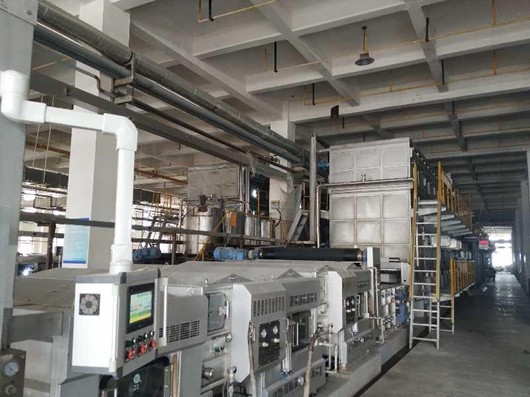
The factory covers an area of 100,000 square meters and has more than 800 employees. The international Dept. is located in Jiaxing, a city with more than one thousand years history of textile trading and production. We integrate printing and dyeing processing, strong technical force, reliable product quality and advanced technology. The production process has a one-stop production capacity of dyeing-finishing-deep processing. It mainly produces all kinds of cotton canvas, cotton gauze, cotton poplin, cotton elastic series, polyester cotton, nylon cotton, polyester cotton, mirofiber, chemical fiber and rayon fabric series.




FAQ
As one of the most professional taffeta fabric manufacturers and suppliers in China, we're featured by quality products and good service. Please rest assured to wholesale custom made taffeta fabric at competitive price from our factory.